
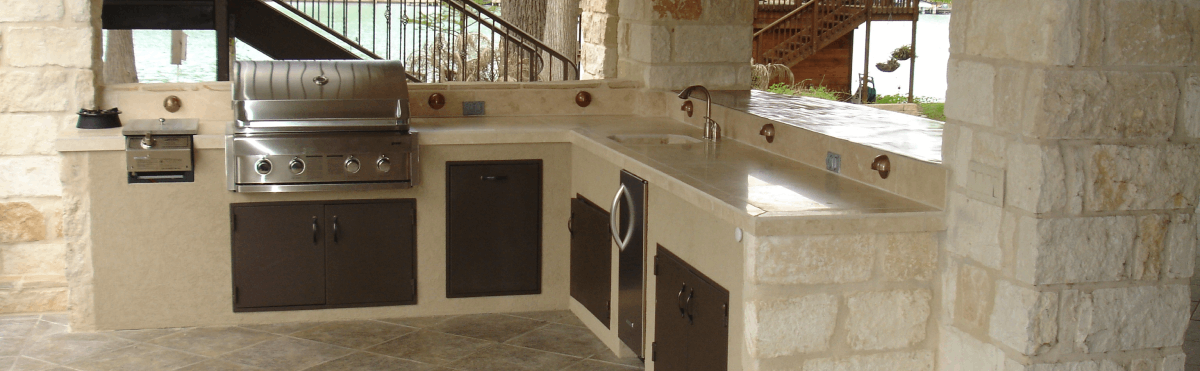
Overview of BBQ Grills
When evaluating BBQ grill types, you’ll typically choose among charcoal, gas, and electric models, each offering a different mix of heat, flavor, and convenience. Charcoal grills deliver the strongest hallmark of grilling—the smoky flavor—at the cost of longer startup and more hands-on vent management. Gas grills provide quick ignition, steady temperature control, and features like integrated thermometers that streamline weeknight cooking. Electric grills are ideal for compact spaces or apartments where smoke, ventilation, and safety rules restrict traditional fuels, offering reliable heat with minimal odor. By weighing factors such as space, budget, maintenance, and eco-friendly options, you can identify the best grill for flavor and lifestyle.
Key differences between charcoal, gas, and electric
For a quick, practical look, consider this side-by-side comparison of charcoal, gas, and electric grills. The table below summarizes fuel sources, heat control, flavor potential, maintenance, cost, and efficiency to help you see the core differences at a glance.
| Aspect | Charcoal | Gas | Electric |
|---|---|---|---|
| Fuel source | Charcoal briquettes and lump charcoal crafted from hardwoods or blends; many options include natural binders and smoke enhancers to alter burn characteristics | Propane or natural gas supplied via a tank or line; commonly features quick-connect hoses and regulators for safe operation | Electrical heating elements powered by standard outlets or built-in battery packs; relies on insulated housings to retain heat |
| Heat precision | Heat varies with airflow and lid position; skilled cooks manage fire by adjusting vents and adding wood chunks for smoke | Knobs deliver rapid, repeatable temperature changes; some models use multiple burners for multi-zone control | Thermostat-like control with steady, lower peak temps; precise control depends on element quality and controller sophistication |
| Flavor impact | Distinct smoky aroma and deep searing flavors from direct or indirect wood smoke; flavor is highly influenced by fuel and smoke wood | Balanced flavor with options to add chips or pellets for smoke; generally cleaner flavor than charcoal | Minimal smoke flavor unless paired with smoke sources; flavor mainly from toppings, marinades, or indirect cooking |
| Maintenance/cleanup | Ash must be emptied regularly; grate scrubbing and fire-starting setup required; more effort overall | Grease tray and simple grate cleaning; quicker cleanup and fewer loose residues | No ash; cleaning focuses on grates and burner housings with care for electrical components |
| Typical cost range | Approx $200 – $900, depending on size, material, and features | Approx $250 – $2000, with mid-range options offering better reliability | Approx $150 – $800, often the most compact and budget-friendly option |
| Energy efficiency | Lower overall efficiency due to heat loss through vents and required fuel burn to sustain temps | High efficiency with controlled burn and faster heat-up times in many models | Very efficient with no open flame; quality insulation keeps heat contained |
This snapshot highlights how each type handles heat, flavor development, and upkeep so you can pick the right grill for your cooking goals and space constraints.
Typical use cases and backyard vs apartment grilling
Typical use cases span a spectrum from casual weekend gatherings in a spacious backyard to compact, safety-conscious setups in apartments or rental homes. Charcoal grills shine in backyards where cooks enjoy social cooking, the ritual of lighting charcoal, and the ability to create smoky searing temperatures for steaks, burgers, and smoked ribs; for many enthusiasts, charcoal also offers authentic flavor that is hard to match with other fuels. Gas grills excel where convenience, speed, and predictable results matter—weeknight dinners, family cookouts, and spaces with weather constraints—thanks to reliable ignition, even heat distribution, and easy temperature control. Electric grills offer a practical option for decks, balconies, or shared spaces with strict smoke regulations; modern electric units can produce respectable sear marks and even cooking with compact footprints, while remaining easy to clean and compliant with safety rules. For urban living, consider apartment policies on charcoal or gas grills; many communities restrict charcoal to reduce smoke and fire risk, while electric grills may enable you to grill near indoor spaces with ventilation considerations. In all cases, plan for safe practices, like keeping grills on a level heat-resistant surface, maintaining clearance from structures, and investing in a quality grill cover or storage. Finally, match your choice to how often you grill, how much flavor matters to you, and how much cleanup you’re willing to manage; this helps ensure your setup aligns with your lifestyle and budget while supporting consistent results.
Common terminology (BTU, coal, direct vs indirect heat)
Common terminology helps readers read specs and compare models more clearly. BTU stands for British Thermal Unit and is the rough unit used to describe a grill’s heat output; manufacturers often quote high BTU numbers to signal power, but peak heat is only part of the story, and real performance depends on burner efficiency, grill lid insulation, and the quality of heat distribution. Coal refers to the fuel used in charcoal grills; lump charcoal tends to burn hotter and quicker with a more variable heat profile, while briquettes burn longer and more evenly but can produce a steadier baseline heat. Direct heat is cooking with the heat source directly beneath the food; it is ideal for quick sears, thin cuts, and foods that benefit from a fast crust. Indirect heat places the food away from the flame, letting heat circulate around the food; this method is used for larger roasts, bone-in chicken, and slower cooks that require gentle, even temps. Grate type and material matter too; cast iron retains heat well and creates excellent sear marks but requires more maintenance, while stainless steel resists corrosion and is easier to clean. A built-in thermometer or external probe helps manage cooking temps more precisely, especially during multi-zone grilling where you sear over direct heat and finish with indirect heat. The concept of a sear zone or hot zone is common in multi-burner grills, where you set one area to high heat for browning and another to lower heat for gentle cooking. When reading specs, you will also encounter terms like infinite control, lid down temperature, and cooking times for different foods, all of which inform how a grill performs in practice. Understanding these terms helps you judge how a grill will perform for different recipes, whether you are grilling vegetables, seafood, bone-in ribs, or thick steaks. Finally, consider safety and maintenance terms such as cleaning cycles, grease management, and warranty coverage, which influence long term satisfaction and cost of ownership.
Charcoal Grills
Charcoal grills are the iconic circular grills with a hinged lid and a vented bottom bowl. They typically range from 18 to 26 inches in diameter, light and budget-friendly, and serve as a common entry point into charcoal cooking. The classic kettle design supports direct searing and indirect cooking by placing coals on one side while leaving the other side for cooler zones with the lid closed. They work well with either lump charcoal or briquettes, offering a flexible balance between fast heat and longer, steadier burns. This guide covers kettle, kamado, and barrel styles to help you pick the best grill for flavor, space, and budget, including eco-friendly grilling options.
Pros and cons
Here are concise considerations to help you weigh the practical advantages and drawbacks of charcoal grilling, including how fire management, fuel type, airflow, maintenance, and timing interact to influence flavor, texture, and overall cooking experience. By comparing these points to gas and electric options, you can decide whether charcoal’s hands-on approach, distinct aroma, and potential cost savings align with your schedule, space, and culinary goals.
- Unmatched flavor and aroma from smoke compounds that repeatedly enhance beef, pork, and vegetables, delivering a traditional barbecue experience that many grill enthusiasts rank above gas or electric methods.
- Requires longer warm-up times and active fuel management, which increases hands-on attention during setup and cooking, but grants greater control over smoke levels and heat distribution.
- Maintenance involves regular cleaning to prevent ash buildup and corrosion, periodic seasoning, and occasional replacement of grates or vents, which adds ongoing costs and requires routine upkeep.
- Flavor consistency hinges on technique: mastering airflow, fuel quantity, and grate placement yields repeatable cooks, yet it often takes time to dial in optimal settings.
- Charcoal availability and bag prices fluctuate seasonally, impacting long-term affordability compared with gas or electric grills, though bulk purchases and efficient cooking practices can moderate costs.
- Fuel availability at local shops and online suppliers can affect stocking strategies, especially for lump charcoal or premium hardwood alternatives, so planning ahead reduces last-minute price surges.
- Environmental impact considerations, such as choosing natural hardwood fuels over lighter-fluid starters, contribute to cleaner burns and a more responsible grilling routine for eco-conscious cooks.
If flavor and authentic smoke are top priorities, charcoal often wins, but be prepared for extra cleanup, ash disposal, and fuel management during longer cooks. With consistent technique, careful seasoning of fuel and grates, and thoughtful maintenance, charcoal grilling can become a flexible, reliable, and rewarding path to flavorful meals.
Kettle grills
Kettle grills are the iconic circular charcoal cookers with a rounded bowl, a tight lid, and accessible vents. They typically range from 18 to 26 inches in diameter, are light and budget-friendly, and ship with simple, durable components. The classic kettle design supports direct searing and indirect cooking by placing coals on one side while using a heat shield to create a cooler zone with a covered lid. They work well with either lump charcoal or briquettes, offering flexibility between fast heat and longer, steadier burns. Cleaning is straightforward: ash falls into a removable tray, grates scrub clean, and parts such as vents and seals are widely available. For flavor and temp stability, maintain steady vent adjustments, use a water pan when cooking larger cuts, and avoid aggressive fuel loads that spark flare-ups. Kettles are ideal for weeknight burgers, shrimp skewers, chicken thighs, and small roasts, especially when budget and space are priorities.
Kamado grills
Kamado grills use thick ceramic walls to trap heat, deliver exceptional moisture retention, and hold steady temperatures over long cooks, making them ideal for low-and-slow sessions and extended smoking. Their air control is often precise, and the insulated design reduces fuel use, though upfront cost is higher and ceramics require careful handling. Setup often involves a reliable vent system, heat deflectors, and durable gaskets to maintain a tight seal during long cooks. Kamados shine for briskets, ribs, whole chickens, and fish, and respond well to hardwood chunks or small smoke tubes for added aroma. They are best protected by proper seasoning of the interior and regular gasket checks to prevent leaks as the unit ages. Accessories extend their flexibility: deflectors enable indirect cooking, while cast-iron grates improve searing. Kamados make a robust centerpiece for year-round outdoor cooking.
Barrel and offset smokers
Barrel-style smokers emphasize large capacity and long, steady smokes. Barrel units typically feature a primary cooking chamber with a simple airflow path, designed for indirect heat and even moisture distribution. Offsets place the firebox to the side, delivering heat and smoke into the main chamber for balanced low-and-slow cooking and extended burns, ideal for big cuts and crowds. Managing airflow is crucial: adjust the damper and chimney to balance heat and smoke while avoiding large temperature swings. Cleaning involves removing ash from the firebox, inspecting seals, and resealing doors as needed to prevent leaks. They excel at briskets, pork shoulders, ribs, and whole turkeys, especially when wood chunks are used with a water pan to stabilize humidity. Barrel and offset units require space and time, but they reward patient cooks with rich, deeply smoked flavors.
Flavor and heat characteristics
Charcoal grilling creates flavor by feeding oxygen-controlled flames with hardwood lump charcoal or briquettes, which produces a distinct smoke profile that can elevate beef, pork, poultry, and vegetables in nuanced ways. The smoke compounds interact with surface proteins and fats during high-heat searing and slower, indirect cooking, combining to form aroma-rich crusts and deep interior juiciness that few other fuels can match. Lump charcoal tends to burn hotter and with more variable airflow, contributing brighter, sharper smoke notes, while briquettes burn more evenly and produce steadier heat and a subtler, longer-smoked character. The type of charcoal used also dictates ash production and heat management, influencing flavor consistency and the chances of flavor-dominant flare-ups. Experimentation with fuel placement, grate height, and the use of a two-zone setup lets you chase precise smoke seams and controlling temperature for different recipes. Temperature control on charcoal grills hinges on vent adjustments, lid management, and a balance between direct heat zones and indirect cooking areas to achieve ideal crusts without drying out proteins. Additionally, the choice of wood chips or chunks used for indirect smoke can tailor sweetness or boldness, making charcoal grills a versatile canvas for regional barbecue techniques. For beginners, a two-zone setup and a reliable thermometer help translate heat into consistent results, making charcoal cooking approachable even as you learn to refine your craft. Smoked flavors can be intensified with controlled exposure times and drip management; by allowing partial air flow at key moments, you can encourage deeper bark and crust formation. Seasoned grillers often separate cooking zones by height or by adding a heat shield to gently roast large cuts, then finish with a high-heat sear for color and texture. While many choose charcoal for flavor, the true art lies in balancing smoke, heat, and time to fit the specific cut and personal taste. Direct high-heat searing achieves caramelized surfaces quickly, while low-and-slow cooking over embers develops tenderness and extract flavors from connective tissue; learning the rhythm between these modes is central to charcoal mastery. Finally, safety and cleanup—ventilation, ash disposal, and regular grate cleaning—ensure a pleasant cooking environment and protect long-term grill performance.
Types of charcoal grills (kettle, kamado, barrel)
Charcoal grills come in several popular subtypes, each with distinct strengths, typical uses, and maintenance considerations. The kettle grill is the classic, affordable, and highly versatile option that accommodates direct searing, indirect cooking, and even shallow smoking in a compact footprint. Typical sizes range from 18 to 26 inches in diameter, with a simple air vent system that rewards attentive vent management and careful fuel loading. Kettles are easy to set up for two-zone cooking by placing coals on one side and using a heat shield to create an upper indirect zone. They also tend to be straightforward to clean, and replacement parts are widely available, which keeps long-term costs predictable. Kamado grills use thick ceramic walls to trap heat, deliver exceptional moisture retention, and hold steady temperatures over long cooks, making them ideal for low-and-slow sessions and extended smoking. Their air control is often more precise and the insulated design reduces fuel use, though upfront cost is higher and ceramics demand careful handling. Proper setup usually involves a dedicated temperature controller or high-quality vents, plus accessories like deflectors, heat deflectors, and cast-iron grates to improve searing without moisture loss. Kamados shine at overnight brisket or rib smoking, maintaining humidity inside the cooking chamber while resisting temperature swings in a way metal kettles struggle to match. Barrel-style smokers and offset smokers emphasize large-capacity cooking with specialized airflow paths, allowing long, slow smokes for big cuts while still offering opportunities for high-heat finishing on smaller items. Barrel units typically have a primary cooking chamber plus a dedicated firebox, promoting consistent indirect heat and efficient fuel use, though they require more attentive airflow balancing to avoid hot spots. Offsets place the firebox to the side, enabling longer burns and generous space for gentle cooks such as pulled pork, ribs, and whole chickens; performing a proper burn-in and seasoning improves longevity. When selecting among these subtypes, consider space, budget, cooking cadence, and the types of meals you prepare most often, because each design affects heat distribution, fuel economy, and ease of cleanup. Kettles shine for quick weeknight meals and compact setups; kamados excel at set-it-and-forget-it smoking once dialed in; barrel and offset units suit large gatherings and multi-tier cooking, especially when you want the flexibility of both smoking and direct grilling in the same unit. In every case, plan for a proper ash disposal routine, regular grate cleaning, and safe handling of hot parts.
Kettle grills
Kettle grills are the iconic circular charcoal cookers with a rounded bowl, a tight lid, and accessible vents. They typically range from 18 to 26 inches in diameter, are light and budget-friendly, and ship with simple, durable components. The classic kettle design supports direct searing and indirect cooking by placing coals on one side while using a heat shield to create a cooler zone with a covered lid. They work well with either lump charcoal or briquettes, offering flexibility between fast heat and longer, steadier burns. Cleaning is straightforward: ash falls into a removable tray, grates scrub clean, and parts such as vents and seals are widely available. For flavor and temp stability, maintain steady vent adjustments, use a water pan when cooking larger cuts, and avoid aggressive fuel loads that spark flare-ups. Kettles are ideal for weeknight burgers, shrimp skewers, chicken thighs, and small roasts, especially when budget and space are priorities.
Kamado grills
Kamado grills use thick ceramic walls to trap heat, deliver exceptional moisture retention, and hold steady temperatures over long cooks, making them ideal for low-and-slow sessions and extended smoking. Their air control is often precise, and the insulated design reduces fuel use, though upfront cost is higher and ceramics require careful handling. Setup often involves a reliable vent system, heat deflectors, and durable gaskets to maintain a tight seal during long cooks. Kamados shine for briskets, ribs, whole chickens, and fish, and respond well to hardwood chunks or small smoke tubes for added aroma. They are best protected by proper seasoning of the interior and regular gasket checks to prevent leaks as the unit ages. Accessories extend their flexibility: deflectors enable indirect cooking, while cast-iron grates improve searing. Kamados make a robust centerpiece for year-round outdoor cooking.
Barrel and offset smokers
Barrel-style smokers emphasize large capacity and long, steady smokes. Barrel units typically feature a primary cooking chamber with a simple airflow path, designed for indirect heat and even moisture distribution. Offsets place the firebox to the side, delivering heat and smoke into the main chamber for balanced low-and-slow cooking and extended burns, ideal for big cuts and crowds. Managing airflow is crucial: adjust the damper and chimney to balance heat and smoke while avoiding large temperature swings. Cleaning involves removing ash from the firebox, inspecting seals, and resealing doors as needed to prevent leaks. They excel at briskets, pork shoulders, ribs, and whole turkeys, especially when wood chunks are used with a water pan to stabilize humidity. Barrel and offset units require space and time, but they reward patient cooks with rich, deeply smoked flavors.
Gas Grills
Gas grills are a staple of modern outdoor kitchens, offering quick preheating, reliable temperature control, and the ability to cook a wide range of foods with minimal fuss. They come in three main fuel configurations—propane, natural gas, and dual-fuel options—each with its own setup considerations and flavor implications. For backyard cooks who value speed, consistency, and ease of use, gas grills often strike a strong balance between performance and convenience. This section focuses on gas grills, highlighting how heat control, features, and fuel choices influence cooking style and overall grilling experience. We’ll compare pros, safety tips, and maintenance to help you pick the best fit.
Pros and cons
Gas grills deliver quick heat-up times and dependable performance that many cooks rely on for weeknight dinners and lively weekend gatherings, making outdoor cooking less intimidating and more predictable. With robust temperature control, versatile burner configs, and accessory options, a gas grill can support everything from rapid sears to slow-roasted finishes, all within arm’s reach of the kitchen and with the flexibility to swap components as your grilling ambitions grow.
- Fast ignition and rapid heat-up let you reach grilling temperatures in minutes, reducing overall cooking time and keeping meals on schedule even during weeknights, with less guesswork for precise timing.
- Even heat distribution minimizes hot spots, helping you achieve consistent sear results across steaks, burgers, vegetables, and delicate fish without frequent flipping to check temperature and reliability on busy weekends.
- Sear zones and rotisserie attachments expand what you can cook, enabling restaurant-like crusts and juicy roasts while keeping most operations centered over the main grill for busy hosts at gatherings.
- Side burners let you simmer sauces, warm sides, or boil corn while the main grill handles the main course, simplifying timing and reducing equipment clutter during extended parties and gatherings.
- Propane is highly portable and easy to replace, making gas grills ideal for patios without fixed gas lines or for tailgating and mobile setups at the campsite for added flexibility.
- Natural gas offers a lower long-term fuel cost per cook compared with propane, but installation requires a dedicated line and professional hookup and permits where required in modern home kitchens.
- Maintenance matters: regular burner cleaning, grease management, and lid alignment help preserve even heat and extend grill life, preventing sudden flare-ups and temperature swings over time with regular inspections recommended.
These advantages come with caveats that deserve attention, including fuel logistics, tank management, and upfront equipment costs, so you can plan for replacements, refills, and potential waste when hosting multiple parties for homeowners and professional chefs alike at home, and you should budget for seasonal storage and regulator checks. When matched to your routine, a gas grill remains resilient, comfortable to use, and capable of producing both delicate foods and bold, restaurant-style crusts, while offering flexible fuel and accessory options to grow with your grilling skills, to support long-term reliability and consistent results under varying weather.
Heat control and features
Gas grills excel in heat control, offering multiple independently adjustable burners that can be set to create precise heat zones. This enables direct searing on one section while maintaining indirect heat on another, which is essential for managing thicker cuts and unevenly shaped foods. The ability to fine-tune flame intensity across zones translates into better control over caramelization, color, and internal doneness, reducing guesswork and reducing the need for constant repositioning of food.
Most gas grills fall in the 2-to-6-burner range, with total BTU ratings that span from roughly 40,000 to over 100,000 for larger models. Higher BTU outputs translate into faster preheating and the capacity to sustain high heat for searing, but real performance also depends on grate design, lid height, heat retention, and how well the burners distribute gas across the cooking surface. A well-designed grill balances burner output with a tight lid that traps heat effectively, yielding more consistent temperatures across the grate and making it easier to cook multiple items at once without temperature swings.
Sear zones and infrared or dedicated sear burners are common on premium models. These features intensify the surface heat for crust formation in seconds, creating restaurant-like sear marks while preserving interior juiciness. When combined with indirect cooking areas, you can reverse-sear thicker cuts, achieving a precise interior temperature while still delivering a flavorful exterior. Rotisseries and spit attachments are other popular capabilities, delivering even, slow-roasted results for poultry or pork. A reliable rotisserie requires a sturdy motor, a well-balanced spit, and even flame distribution; without these, long cooks can become uneven or noisy, and drippings can create flare-ups if not managed carefully.
Side burners, typically rated at 10,000 to 20,000 BTU, extend cooking versatility by letting you prepare sauces, boil water for sides, or heat components without leaving the main grill. The best gas grills optimize heat retention, minimize flare-ups, and allow reliable temperature control even when adding sauces or sides to the cooking schedule. Accessories such as wireless thermometers, lid thermometers, and built-in meat probes help monitor internal temperatures without opening the lid frequently, preserving heat and reducing cook times. Overall, a thoughtful combination of burners, heat zones, rotisserie capability, and side burners equates to a flexible system that supports a wide range of grilling techniques while maintaining user-friendly operation and predictable results.
When evaluating heat control and features, consider how you cook most often, the size of your typical cooks, and how much you value quick searing versus longer, more controlled roasts. A grill with robust, evenly distributed heat and reliable temperature control will empower you to execute a broad range of recipes with confidence, from speed-seared burgers to slow-smoked roasts, all under a single hood.
Propane vs natural gas
Propane and natural gas grills each have distinct advantages that can influence your choice based on space, lifestyle, and cooking goals. Propane grills are known for portability and quick setup, making them ideal for patios without a fixed natural gas line or for users who value versatility for deck spaces, balconies, or tailgating. Natural gas grills connect to a home gas line, delivering a steady fuel source with fewer refills and lower ongoing fuel costs for many households. The decision often comes down to where you live, how you cook, and whether a fixed installation aligns with your lifestyle.
Fuel logistics differ notably between the two fuels. Propane tanks require regular refills or exchanges, and some users find tank management to be a minor ongoing chore. In contrast, natural gas relies on an in-house or yard line, with professional installation required to ensure safe and code-compliant hookup. The installation cost for natural gas lines can be substantial upfront, but the long-term fuel savings and convenience can offset that expense over time. If you plan to move households or frequently host gatherings, propane’s portability might be advantageous, while a fixed natural gas connection offers uninterrupted operation with fewer on-site interruptions for refilling.
Performance is influenced by energy content and pressure. Propane delivers higher energy content per unit than natural gas, translating to hotter temps per unit of fuel. In practice this often translates to faster preheating and higher peak temperatures, which can be beneficial for searing and high-heat cooking. Natural gas, while delivering lower heat per unit, provides consistent, steady heat and a steady supply when connected to a home line. The differences in feel across grills often come down to regulator design, burner layout, and grate insulation, rather than raw fuel type alone. In many cases, the perceived flavor difference between propane and natural gas is minimal for most foods, though some grillers feel the difference lies in heat consistency and the ability to maintain temperatures during longer cooks without frequent tank changes.
Installation considerations are critical. Propane grills require safe handling and a proper regulator to manage the pressure from the tank. Regular inspections for leaks, hoses, and connectors are essential to prevent gas escapes. Natural gas systems require a dedicated pipe run, a fixed hookup, and a regulator designed for continuous operation. This often means scheduling a professional installation and ensuring the home’s gas line can support the added load. If you’re buying a new model, check that it is rated for the fuel you intend to use and that any conversion options are approved by the manufacturer. Vehicle or outdoor space constraints, permit requirements, and the availability of skilled technicians in your area can all influence the feasibility and cost of installation.
Cost considerations extend beyond the price tag of the grill itself. Propane typically costs more per unit of heat than natural gas, but the convenience of portability and the ability to grill in locations without fixed lines can offset this. Natural gas can offer lower per-gram of fuel on a long-term basis, but the initial outlay for a professional line installation and potential home upgrades can be significant. If you plan to grill year-round, a natural gas connection can be a practical and economical choice, whereas if you value flexibility and the ability to move your grill around a patio or to events, propane remains a strong option. In either case, consult local utilities or a licensed contractor to understand your options and ensure safe, compliant installation.
Safety and maintenance considerations accompany both fuels. Regularly inspect hoses, regulators, and connections for signs of wear or cracking. Always store propane tanks upright and in ventilated areas, and never store them indoors. For natural gas, ensure the connection is secure, inspect for leaks with appropriate methods, and follow local codes for pressure testing and line maintenance. Both fuels benefit from routine cleaning of burners, heat shields, and venting to maintain efficiency and reduce the risk of flare-ups. With thoughtful planning, the choice between propane and natural gas can align with your cooking style, space constraints, and long-term goals for outdoor entertaining.
Electric Grills
Electric grills offer a clean, convenient way to enjoy barbecued meals without flame or smoke, making them popular for apartments, balconies, and spaces with strict outdoor access. They provide precise temperature control, fast heat-up, and consistent results that help you cook evenly from edge to edge. Compared to charcoal or gas grills, electric models typically require less setup and cleanup, and many models produce minimal smoke, which suits indoor cooking and limited ventilation. When choosing an electric grill, consider size, power, and features like adjustable lids, temperature probes, and easy-to-clean grates. In this section, we’ll explore the pros and cons, the best settings and use cases, and practical indoor considerations for electric grills as part of a broader guide to BBQ grill types.
Pros and cons
Electric grills bring several clear advantages for most home cooks. Their primary strength is cleanliness and ease of use: there is little to no ash, and most models require only a quick wipe-down after cooling. Temperature control is precise, with digital thermostats or dial settings that let you move smoothly between low-and-slow heat for vegetables and delicate proteins and higher heat for searing. Because they rely on electric elements rather than live flames, electric grills typically produce less smoke and fumes, which makes indoor cooking more practical, reduces lingering odors, and helps with apartment or shared-space compliance. They are often compact and lighter than traditional charcoal or gas grills, which makes storage easier and makes them suitable for balconies, patios, RV setups, or small decks. The upfront cost can be moderate, and operation is straightforward—plug into a standard outlet, select a temperature, and monitor with a built-in thermometer or lid indicator. Many models offer features like adjustable lids, removable plates, drip trays, and easy-to-clean surfaces that save time on maintenance. Energy efficiency is another advantage, with rapid heat-up and targeted heating zones that can minimize running costs when used thoughtfully. On the downside, electric grills may struggle to replicate the deep smoky flavor associated with charcoal and the ultra-high-heat sears achievable on gas or lump coal setups, though premium models have improved in both areas. Temperature peaks often don’t match the extremes of gas or charcoal, which can limit techniques like bold direct searing or authentically smoked finishes without additional equipment. Some cheaper units use coatings that may wear over time, and the grates or plates may require regular seasoning or careful cleaning to preserve nonstick properties. Power supply can be a limiting factor in outdoor spaces—outlets must be weather-protected and rated for outdoor use, and some circuits may restrict running multiple appliances at once. Finally, while safer, electric grills still demand standard safety practices: keep cords out of walkways, avoid using near water, and unplug before cleaning. For many cooks who prioritize predictable results, quick setup, and cleaner air, electric grills offer a practical, versatile option that can handle everyday meals with less fuss than traditional charcoal grills.
Best settings and use cases
Electric grills respond well to a clear temperature ladder that corresponds to different cooking tasks. For delicate proteins like fish fillets or shrimp, set the grill to a gentle 250–300°F (120–150°C) and use a foil-lined tray or a nonstick grate to prevent sticking; cook quickly and monitor closely. Burgers and chicken pieces benefit from a medium setting around 350–400°F (175–205°C), which allows a nice crust while keeping the interior juicy. For searing steaks or pork chops, use the high end, 450–500°F (230–260°C), optionally with preheated cast-iron plates for better browning; remember to oil the surface lightly and avoid overcrowding to maintain even temps. Veggie kebabs, corn, and halloumi can be cooked at 375–425°F (190–220°C) with a bit more time, rotating frequently for even browning. If the grill includes two heating zones or a reversible plate, you can start with a higher heat on one side for searing and then move items to the cooler zone to finish cooking, which is especially useful for thicker cuts. For longer cooks or when using wooden planks with additional accessories, an indirect heat approach, with lower temperatures and a closed lid, can help avoid scorching. Ideal use cases include quick weeknight dinners, small gatherings on a balcony, or apartment meals where smoke mitigation matters. Electric grills are particularly well-suited to vegetables, seafood, lean proteins, and reheating leftovers with good control over moisture. They also shine for marinated foods where you want to keep flavors rather than burn off sauces, and for experiments in low-fat cooking, since the absence of excess fat dripping flames keeps the experience clean. For flavor augmentation, you can use smoke chips with a separate foil pouch near but not on the hot element, or pair with a finishing drizzle of herbs and citrus to brighten the dish. Finally, remember to preheat for several minutes to reach target temps quickly and minimize sticking, and consider a grill with thermostat probes to monitor internal doneness without lifting the lid.
Indoor and apartment considerations
Despite their indoor-friendly design, electric grills still require thoughtful placement and awareness of building policies. Check whether your building rules permit any form of outdoor cooking on balconies or patios, and whether electric devices are restricted to certain outlets or weather-protected locations. Choose compact models with spill-resistant trays and stable bases to minimize tipping risk on busy surfaces; place the grill on a heat-resistant mat or countertop that can tolerate heat and moisture. Ensure proper ventilation: while electric grills emit less smoke than charcoal or gas, there will still be some fumes; use a range hood, exhaust fan, or an open window if possible, and avoid sealed spaces. Outlets should be weather-rated for outdoor use if used outdoors; use a dedicated circuit if you plan to run the grill for extended periods to prevent tripping the breaker. When used indoors in a kitchen, ensure the area is clear of combustibles, keep the grill away from curtains and paper towels, and supervise children and pets. Maintenance matters: clean grates and drip pans after cooling, avoid using metal tools that scratch nonstick surfaces, and inspect cords for wear. It’s wise to store the grill when not in use away from water and to unplug after use to prevent accidental activation or electrical faults. From a safety perspective, never leave an electric grill unattended for long periods, and follow manufacturer guidelines for use and cleaning. Be mindful of heat damage to countertops or cabinetry; many models provide built-in safety features like automatic shutoff, overheat protection, and cool-touch handles that reduce burn risk. For apartment dwellers in particular, look for models with enclosed cooking surfaces and reduced wind vulnerability, which can help maintain consistent temperatures in less-than-ideal outdoor spaces. If you do decide to grill on a balcony, ensure that embers, sparks, and smoke are minimized and comply with fire codes and HOA rules, and consider a model with a compact footprint and a removable tray for easier disposal and cleaning.
How to Choose the Right BBQ Grill
Choosing the right BBQ grill starts with understanding how you cook, where you grill, and how much effort you want to invest in maintenance. This guide compares BBQ grill types such as charcoal, gas, and electric, and highlights their core benefits, including the distinct smoky flavor of charcoal grills, the precise temperature control of gas grills, and the clean, easy operation of electric grills. You’ll see how cooking style and fuel options influence flavor, heat consistency, and cleanup, helping you decide the best grill for flavor and convenience. We also cover grill safety tips, cleaning BBQ grills, and eco friendly grilling options to help you cook confidently. By the end, you’ll be able to narrow down to the best grill for your cooking style, space, and budget.
Budget and cost over time
Buying a BBQ grill is often the easy part; planning the total cost over time is where most buyers gain clarity. When evaluating BBQ grill types, think beyond the sticker price and map out fuel, maintenance, and potential replacement parts over several seasons. Charcoal grills typically have a lower upfront price but higher ongoing fuel costs and ash disposal tasks, which can add up if you grill frequently or smoke for long periods. Gas grills usually require a larger upfront investment but offer more efficient fuel use and longer intervals between part replacements, translating to lower per-cook operating costs for frequent grilling. Electric grills often sit in the middle on upfront price and offer consistent energy bills and simple maintenance, with savings tied to compact size and fewer moving parts. Maintenance costs include replacing igniters, burners, grease trays, and heat deflectors, as well as periodic grate replacements to preserve heat and flavor. A sturdy grill with a durable coating and robust burners tends to pay off by reducing costly repairs and extending service life. Warranty length and the availability of replacement parts should factor into the decision; a model with strong local support and widely available components can save money in the long run. Also consider accessories you’ll rely on—grill covers, cast-iron grates, temperature probes, and cleaning tools can affect your total spend, but choosing the right accessories may extend the life of the grill and improve results. If you grill weekly, a slightly higher upfront investment for a reliable, well-built unit may be more economical than repeatedly buying cheaper machines. Finally, reflect on your space, how often you grill, and whether you value eco friendly options; sometimes a mid-range model with better efficiency and durability provides the best balance of performance and cost over time. Additionally, calculate resale value; a well maintained grill can fetch a reasonable return, reducing net cost if you upgrade later. If you store it seasonally, think about a compact, sturdy model that fits your storage space.
Space and portability
When choosing a grill for a balcony, patio, or small yard, start with the footprint and storage options. Measure the space you have available for cooking, clearance around the grill, and the height you need for comfortable access to lids and shelves. Consider whether you prefer a cart model with lockable wheels for easy relocation, a pedestal or built-in unit for a fixed setup, or a compact portable grill for trips and tailgates. Pay attention to lid height and overall dimensions when the grill is open, to avoid clashes with cabinets, walls, or rooflines. For storage, look at protective covers, weather resistance, and how easy it is to bring the grill indoors during off seasons. If you transport your grill to parties or camping trips, check weight, foldable stands, and any required assembly; lighter, simpler designs can save time and effort. Remember that security and safety features such as stable legs, heat shields, and secure propane or gas connections matter as much as convenience. Finally, weigh the space impact against your typical cooking frequency; a bigger grill can speed up weekend gatherings, while a smaller model keeps costs down and fits urban spaces.
Cooking style and food types
Choosing a grill often starts with how you cook and what foods you grill most. For flavor and a traditional barbecue, charcoal grills shine because of the smoky profile and versatile heat management, enabling direct searing and slow smoking. Gas grills provide reliable, quick heat and precise temperature control, making weeknight dinners and multi-item cooks easier. Electric grills offer a clean, convenient option that works well in tight spaces, with predictable performance and easy cleanup, and they can still be flavored with wood chips where allowed. Think about direct versus indirect heat: direct heat is ideal for quick searing and small items, while indirect heat supports larger cuts and longer cooks. Your usual menu matters: steaks and burgers benefit from high, controllable heat; chicken and fish benefit from steady, moderate heat, and vegetables benefit from a mix of char and even cooking. If you cook for crowds, look for multiple burners or zones to maintain different temperatures at once. Wood chips or chunks can add smoke flavor to charcoal and some gas grills, while electric grills often require optional accessories for added aroma. Temperature control, fuel availability, and maintenance matter as you weigh a grill for flavor versus convenience. Also consider safety, cleanup, and how often you will grill; a model that is easy to shut down and clean will improve health benefits and reduce effort. In the end, the best grill for flavor aligns with your cooking style, space, and how much time you want to invest in preparation and cleanup. To maximize flavor on charcoal, many cooks practice two zone grilling, managing vents and airflow to create both hot and cooler zones. Gas grills also support two zone cooking with a primary burn area and a cooler side; electric grills benefit from precise timers and built in temperature features. If you are new to outdoor cooking, consider starting with a model that offers built in thermometers and easy to use heat controls, then expand with a few accessories as you grow more confident. The right choice will feel natural for your grilling routine and help you achieve consistent results across a range of foods.
Comparison table: charcoal vs gas vs electric
Use this quick reference to compare charcoal, gas, and electric grills. The table provides a quick decision matrix across key buyer criteria.
| Feature | Charcoal | Gas | Electric |
|---|---|---|---|
| Fuel type | Charcoal briquettes | Propane or Natural gas | Electric heating elements |
| Flavor and smoke | Distinct smoky flavor | Good flavor with quick heat control | Neutral flavor; wood chips optional |
| Heat control | Less precise; relies on airflow | Highly adjustable with knobs | Limited; depends on wattage |
| Temperature range | Typically 225–750 | 250–900 | 300–550 |
| Maintenance | Clean grates, ash disposal | Grease management, tanks | Minimal; easy cleaning |
| Size/portability | Often bulkier | Varies; portable options exist | Generally compact; needs outlet |
| Ideal use | Flavor-focused grilling | Everyday grilling | Balcony grilling |
When reading the table, align your choice with how you cook most often and the space you have.
Maintenance and Safety
Maintaining your BBQ grill is essential for safe operation, consistent performance, and flavorful results.
Regular upkeep helps extend the grill’s lifespan and preserves fuel efficiency across charcoal, gas, and electric models.
This section covers a practical maintenance routine, key safety practices, and winterizing steps that protect components from moisture and corrosion.
By following a structured approach, you can minimize flare-ups, ensure accurate temperature control, and enjoy eco-friendly grilling options year-round.
Cleaning and upkeep checklist
A routine maintenance routine helps extend grill life, maintain flavor integrity, and reduce the risk of unsafe operation.
Follow these tasks in a practical sequence aligned with your grill type.
- Inspect the grates after every cook, brushing away loose food particles, then scrub with a grill brush, wipe with a damp cloth, and let the surface dry fully.
- Empty the grease tray or ash pan regularly to prevent flare-ups, sanitize the tray monthly with warm, soapy water, rinse, and ensure proper drainage before reassembly.
- Check hoses, valves, and burner ports on gas grills for leaks or clogs, inspecting connections with soapy water; replace damaged parts promptly to maintain safe operation.
- For charcoal or pellet grills, empty the ash after cooling, clean the firebox and exterior surfaces, and store the cover away from moisture to prevent corrosion.
- Season grates and interior surfaces with a light coat of high-heat oil to prevent rust, while avoiding excessive buildup that could affect flavor and smoking performance.
- During peak grilling season, perform a deeper cleaning every few months by disassembling removable parts, inspecting burners, and applying manufacturer-recommended cleaners, then reassemble carefully before the next cook.
Keep a maintenance log to track when tasks are completed and to plan seasonal deep cleans.
This checklist reinforces grill safety tips, supports safe operation, improves temperature control, and promotes eco-friendly grilling options.
Safety tips and common hazards
Understanding BBQ grill types helps apply safety practices consistently across charcoal, gas, and electric models. Grill safety tips start with selecting the right outdoor space and ensuring adequate ventilation. Position the grill on a flat, nonflammable surface away from walls, railings, and dry vegetation. Keep children and pets at a safe distance and establish a dedicated safety zone during cooking. Always have a fire extinguisher rated for grease fires within reach and know how to use it. Never operate a grill in an enclosed area, and avoid wearing loose clothing that could catch on flames.
For gas grills, regularly inspect hoses, regulators, and burner ports for signs of wear or leaks. Perform a leak test with a mixture of soapy water before lighting; if bubbles appear, turn off the gas and replace the suspect component. Keep the lid open during lighting until the flame is established to avoid gas buildup. After cooking, turn off the burners and gas supply, and disconnect the tank if you need to move the grill. Store propane cylinders in a ventilated outdoor area away from direct sun.
For charcoal and pellet grills, ash management is critical to safety and performance. Empty the ash after cooling and dispose of it in a metal container with a tight lid. Clean the firebox, vents, and exterior surfaces to prevent grease buildup that can ignite. Use appropriate charcoal starter methods and never add lighter fluid to a already-lit fire. Keep wood chips or pellets dry and away from moisture; store them in sealed containers to preserve quality and prevent mold.
Electric grills reduce some flame hazards but still require mindful setup and maintenance. Place the unit on a heat-resistant, level surface away from walls and water sources. Use outdoor-rated extension cords only if the manufacturer allows; otherwise, power directly from a dedicated outdoor outlet to minimize shock risk. Regularly inspect cords for cracks and ensure the plug connections are dry before use. Clean cooking surfaces and temperature probes according to the manufacturer’s instructions, and unplug the grill before any deep cleaning or part replacement. Finally, follow the manufacturer’s recommended winterizing and storage steps to preserve electrical components and prevent moisture damage.
Storage and winterizing
Proper storage and winterizing protect your grill from rain, rust, pests, and fuel hazards during the off-season. Start by giving the unit a thorough cleaning to remove grease and food debris, then let it dry completely before covering.
Charcoal grills should be stored in a dry location with the vents closed but not sealed to allow any residual moisture to escape. If you use a cover, choose a breathable, well-fitted model to minimize condensation buildup. For pellet and charcoal grills kept outdoors, store pellets in sealed containers to prevent moisture and mold while keeping the hopper empty if winter storage is prolonged.
Gas grills require disconnecting the propane cylinder outdoors and ensuring the valve is closed. Never store a full cylinder indoors or in direct sunlight, and replace damaged hoses before the next season. When possible, store the grill in a dry shed or garage, protected from freezing temperatures and wind-driven rain.
Electric grills and integrated wiring benefit from indoor storage or shelter during winter. Unplug and clean the exterior and interior components, coil, and temperature probes; avoid exposing electrical parts to standing water. If you must store outside, use a heavy-duty, weather-resistant cover and check for moisture buildup inside the cabinet. As a final step, review the manufacturer’s winterizing guide and perform any recommended maintenance before the grill is put away for the season.